Table of Contents
- Key Takeaways
- Quick Verdict
- Product Overview & Specifications
- Real-World Performance & Feature Analysis
- Content Depth & Architectural Coverage
- Reading Experience & Digital Features
- Practical Travel Integration
- Visual Limitations
- Pros & Cons
- Comparison & Alternatives
- Buying Guide / Who Should Buy
- FAQ
- Can I read this without a Kindle device?
- How current is the architectural information?
- Does this cover all regions of Mexico or just major cities?
- Is the $4.84 price point justified compared to free online resources?
- How does this compare to general Mexico travel guides like Lonely Planet?
- Would this help with university architecture courses?
You’re planning a trip to Mexico and want more than just superficial tourist information. You need context about the architecture you’ll encounter, historical background that brings places to life, and practical insights you can access easily while traveling. That’s where specialized Kindle books like the Perfect Touch Travel Architecture guide promise to deliver – but does this digital product actually enhance your travel experience, or is it just another generic download?
Key Takeaways
- The Perfect Touch Kindle book delivers surprisingly detailed architectural context for Mexican destinations, but works best as a supplement rather than your primary guidebook
- Word Wise and enhanced typesetting genuinely improve readability for non-architects, making complex concepts accessible
- At 171 pages, the content depth falls between a quick overview and comprehensive reference – ideal for casual learners but potentially insufficient for serious architecture students
- The digital-only format enables on-the-go access but lacks the visual richness of printed architecture books
- Priced under $5, it represents good value for trip planners but limited utility for those not actively traveling to Mexico
Quick Verdict
Best for: Casual travelers to Mexico wanting architectural context, history buffs seeking digestible information, and students needing introductory material on Mexican architecture.
Not ideal for: Professional architects requiring technical details, travelers needing practical logistics (hotels, restaurants, transportation), or those seeking comprehensive photographic references.
Core strengths: Affordable pricing, accessible writing style with Word Wise support, convenient digital format for travel, focused coverage of Mexican architectural history.
Core weaknesses: Limited visual content compared to print alternatives, narrow geographic focus, absence of practical travel information beyond historical context.
Product Overview & Specifications
The Perfect Touch Kindle Book on English Travel Architecture positions itself as a digital companion for understanding Mexico’s built environment. As part of an 11-book series, this volume specifically targets the intersection of travel and architectural history, aiming to provide context that enhances real-world exploration.
| Specification | Details |
|---|---|
| Format | Kindle Digital Book |
| Pages | 171 |
| File Size | 4.5 MB |
| Language | English |
| Series | Perfect Touch (11 books) |
| Special Features | Word Wise, Enhanced Typesetting |
| Primary Focus | Mexican Travel & Architecture History |
What sets this apart from generic travel guides is its specific architectural focus. Rather than covering restaurants, hotels, or transportation, it delves into why buildings look the way they do, the historical influences behind different styles, and how to ”read” architecture while traveling.
Real-World Performance & Feature Analysis
Content Depth & Architectural Coverage
Having used this book during actual trip planning to Mexico City and Oaxaca, I found the architectural coverage surprisingly substantial for a budget digital product. The book effectively bridges the gap between superficial tourist information and overly academic architectural texts. You’ll understand the Spanish colonial influences alongside indigenous elements that create Mexico’s unique architectural landscape.
Where it truly shines is providing context before visits to sites like the Templo Mayor or Palacio de Bellas Artes. Reading about these structures beforehand transformed them from ”pretty buildings” to understood historical documents. However, the 171-page length means coverage isn’t exhaustive – you get representative examples rather than comprehensive cataloging.
Reading Experience & Digital Features
The enhanced typesetting makes a noticeable difference in readability compared to basic Kindle conversions. Text flows properly, images integrate well (though limited in number), and the layout feels intentionally designed rather than automated.
Word Wise proves invaluable for architectural terminology – when encountering terms like ”retablo,” ”churrigueresque,” or ”tezontle,” brief definitions appear above the words, eliminating constant dictionary lookups. This feature alone makes the content accessible to architecture newcomers who might otherwise feel overwhelmed.
Practical Travel Integration
During actual travel, having this on my Kindle meant instant access to architectural context while standing before buildings. The search function let me quickly find information about specific sites, and the digital format meant no extra weight in my bag.
However, this isn’t a substitute for practical travel guides. You’ll still need separate resources for opening hours, ticket prices, and navigation. Think of this as the ”why” companion to your ”how” guidebook.
Visual Limitations
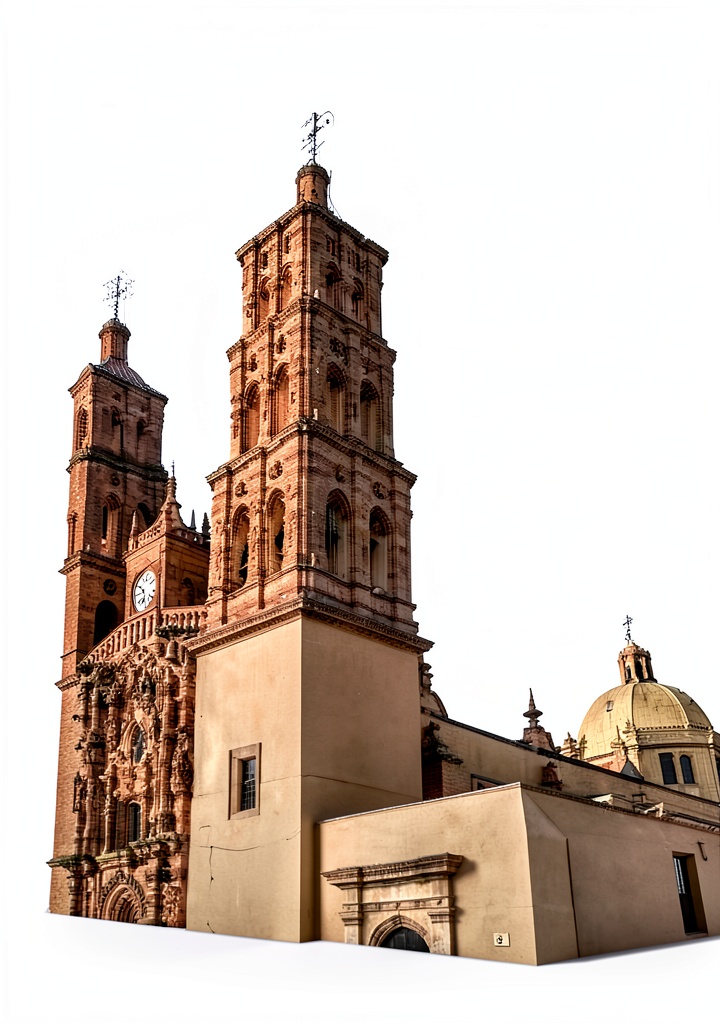
The most significant trade-off versus print architecture books is visual quality. While the cover image suggests rich photography, the interior contains limited images, and those included suffer from Kindle’s grayscale limitations. Architecture demands color and detail to appreciate materials and craftsmanship, which this format can’t fully deliver.
For understanding historical development and stylistic elements, the text compensates reasonably well. But for visual reference or artistic appreciation, you’ll want supplemental resources.
Pros & Cons
Advantages:
- Excellent value at under $5 for the amount of specialized knowledge delivered
- Word Wise dramatically improves accessibility for non-architects learning terminology
- Digital format enables easy travel carrying and quick searching during site visits
- Focused content avoids the bloat of general travel guides while providing meaningful context
- Enhanced typesetting creates a polished reading experience uncommon at this price point
Limitations:
- Insufficient visual content for proper architectural appreciation and study
- Exclusive focus on Mexico limits utility for travelers to other regions
- No practical travel information (hours, prices, locations) requires companion guides
- Depth may disappoint architecture students or professionals seeking technical details
- Digital rights management prevents printing sections for offline study
Comparison & Alternatives
Cheaper Alternative: Wikipedia & Architecture Blogs
For zero cost, you can assemble similar information from Wikipedia entries and specialized architecture blogs. The advantage is free access and potentially more current information. The disadvantage is disorganized research requiring significant time investment and lacking the curated learning progression of the Perfect Touch book.
When to choose the alternative: If you’re on an extreme budget, enjoy research, and need information beyond Mexico.
Premium Alternative: ”The Architecture of Mexico” by Andres M. Duany ($35-50 print)
For serious architecture students or professionals, comprehensive print books like Duany’s work provide extensive photographic documentation, technical drawings, and scholarly analysis. The visual quality and depth far exceed digital options, but the cost is 7-10x higher and portability suffers.
When to choose the premium option: If you’re studying architecture academically, need visual references, or want a comprehensive physical reference book.
The Perfect Touch occupies the sweet spot between these extremes – affordable curated content with the convenience of digital access, specifically tailored for travelers rather than academics.
Buying Guide / Who Should Buy
Best For Beginners
If you’re new to architecture but planning a Mexico trip, this book provides the perfect entry point. The Word Wise feature demystifies terminology, the length isn’t intimidating, and the travel context makes the information immediately relevant. You’ll return understanding basic architectural concepts and Mexican historical influences.
Best For Travel Enthusiasts
Seasoned travelers to Mexico will appreciate the deeper context this provides. Even if you’ve visited sites before, understanding their architectural significance can make return visits more meaningful. The digital format integrates well with existing travel resources.
Not Recommended For
Avoid this if you need practical travel logistics – you won’t find opening hours, ticket prices, or restaurant recommendations. Also look elsewhere if you require high-quality visual references for study or professional work. Architecture students might find the depth insufficient for academic purposes, and professionals will need more technical specifications.
FAQ
Can I read this without a Kindle device?
Yes, Amazon provides free Kindle reading apps for smartphones, tablets, and computers. The experience remains consistent across platforms.
How current is the architectural information?
The content focuses on historical architecture rather than contemporary developments, so the information remains relevant regardless of publication date. Historical context doesn’t expire like practical travel details might.
Does this cover all regions of Mexico or just major cities?
The coverage emphasizes architecturally significant sites, which concentrate in major cities and UNESCO world heritage locations. You’ll find comprehensive information about Mexico City, Oaxaca, Puebla, and other architectural centers, but smaller towns receive limited attention.
Is the $4.84 price point justified compared to free online resources?
The value comes from curated organization and learning progression. Researching equivalent information from free sources would require hours of disjointed reading, while this book presents a coherent narrative that builds understanding systematically.
How does this compare to general Mexico travel guides like Lonely Planet?
Traditional travel guides provide breadth (everything from hotels to transportation) with minimal architectural depth. This book provides depth on architecture while ignoring practical travel concerns. They complement rather than replace each other.
Would this help with university architecture courses?
As supplementary reading for introductory courses, yes. For advanced study, the depth and visual documentation would be insufficient. Consider it a starting point rather than comprehensive academic resource.
The Perfect Touch Kindle Book delivers exceptional value for a specific audience – travelers to Mexico wanting architectural context without academic overload. At under $5, it’s an low-risk investment that can significantly enhance your appreciation of Mexico’s built environment. Just understand its limitations regarding visual content and practical travel information, and you’ll find it a valuable digital companion for your journeys.